Choosing sympathy flowers with care and etiquette across the UK
Posted on 03/10/2026
Choosing sympathy flowers with care and etiquette across the UK can feel delicate in a way that ordinary flower buying simply does not. You want to show respect, comfort someone properly, and avoid the little mistakes that can make a thoughtful gesture feel awkward. In a moment when words are hard to find, flowers often say the quiet part for you. The trick is choosing something that feels sincere, suitable, and appropriate to the person, the family, and the setting.
This guide walks through the practical side as well as the etiquette side: what sympathy flowers are meant to do, which styles are most suitable, how to send them across the UK, and what to avoid if you want your message to land gently. We'll also cover messages, timing, delivery notes, cultural considerations, and a few real-world examples that make the decision a lot easier. Truth be told, this is one of those purchases where care matters more than extravagance.
If you are unsure where to start, that is completely normal. Most people are.
Below you'll find a clear, useful breakdown to help you choose with confidence and kindness.

Table of Contents
- Why Choosing sympathy flowers with care and etiquette across the UK Matters
- How Choosing sympathy flowers with care and etiquette across the UK Works
- Key Benefits and Practical Advantages
- Who This Is For and When It Makes Sense
- Step-by-Step Guidance
- Expert Tips for Better Results
- Common Mistakes to Avoid
- Tools, Resources and Recommendations
- Law, Compliance, Standards, or Best Practice
- Options, Methods, or Comparison Table
- Case Study or Real-World Example
- Practical Checklist
- Conclusion
- Frequently Asked Questions
Why Choosing sympathy flowers with care and etiquette across the UK Matters
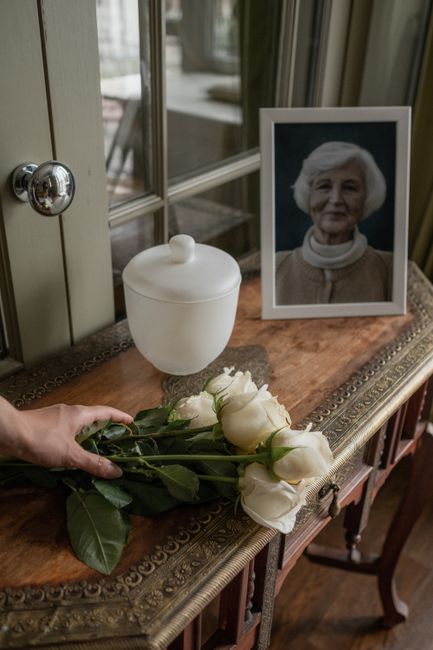
Sympathy flowers are not just decorative. They are part of a social ritual that carries meaning, timing, and respect. In the UK, people often send flowers to a home, funeral director, chapel, church, crematorium, or memorial venue, and each setting brings its own expectations. A bouquet that feels warm and comforting in one context may look a little too cheerful in another. That is why the choice matters.
The point is not to be fussy for the sake of it. It is to communicate care without drawing attention to yourself. Sympathy flowers should support the bereaved, not distract from the moment. White lilies, soft roses, chrysanthemums, carnations, and subdued mixed arrangements are common because they feel calm and considerate. But even then, the details matter: the size, the wording on the card, whether the arrangement is suitable for a funeral service, and whether the family has asked for donations rather than flowers.
There is also a practical side. Across the UK, funeral timings can be tight, and venues may have rules about delivery windows, florist access, or where arrangements should be placed. A thoughtful order takes those realities into account. A rushed order often does not. And let's face it, nobody wants a beautiful tribute arriving after the service has ended.
Expert summary: The best sympathy flowers are usually the ones that are restrained, timely, and respectful of the family's wishes. Simple can be far more powerful than ornate.
How Choosing sympathy flowers with care and etiquette across the UK Works
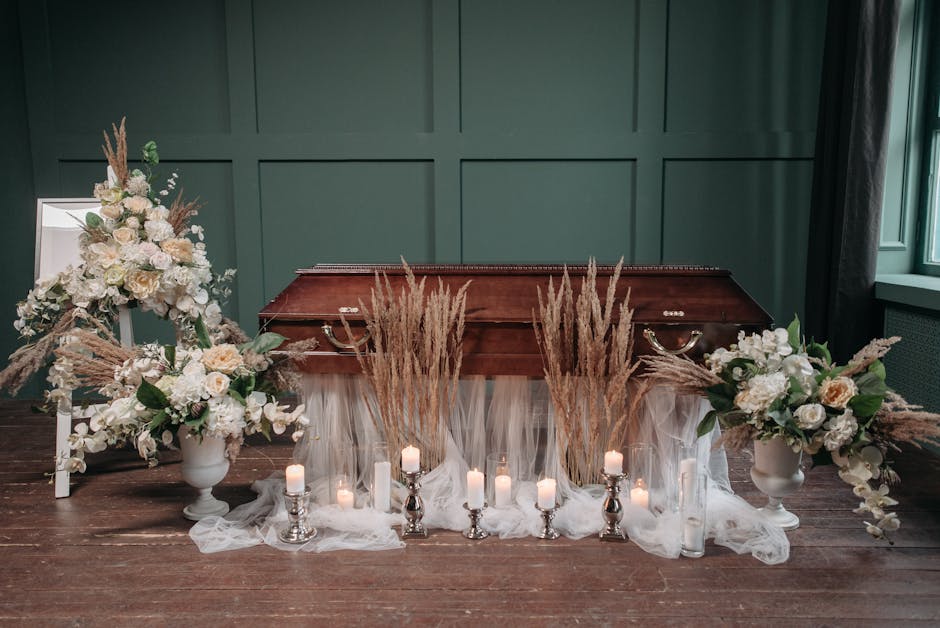
The process is simpler than it looks, but there are a few important decisions to make. First, you decide who the flowers are for: the family at home, the funeral service, the grave, or a memorial occasion. Then you choose the style of arrangement based on that setting. A hand-tied bouquet may suit a home condolence gift, while wreaths, sprays, posies, hearts, cushions, and tributes are more common for funerals.
Next comes the tone. Sympathy flowers are usually understated. White is the safest and most traditional choice because it reads as peaceful and respectful. Soft pink, pale purple, cream, and green can also work well. Strongly bright combinations are not automatically wrong, but they should be chosen with care and only if you know the person or family would welcome them.
Then there is the message. Many people freeze at this stage. Keep it short, sincere, and plain. Something like "With deepest sympathy" or "Thinking of you at this difficult time" is entirely appropriate. You do not need to write a long note. In fact, sometimes a brief message feels more genuine.
Finally, think about delivery. Funeral flowers need precise timing, and home deliveries should be planned with discretion. If the family is receiving many flowers, it may help to coordinate so the arrangement doesn't arrive too early and sit awkwardly at a door, or too late when they've already gone out. Small thing, big difference.
Key Benefits and Practical Advantages
Choosing sympathy flowers carefully offers a few real benefits beyond the obvious emotional one.
- They show immediate support. When words fail, flowers communicate presence and care without requiring the bereaved to respond.
- They suit different relationships. Sympathy flowers can be chosen for close family, colleagues, neighbours, clients, or friends, with the tone adjusted accordingly.
- They help you navigate etiquette. A well-chosen arrangement reduces the risk of sending something that feels too casual, too romantic, or too celebratory.
- They are flexible. You can choose a simple bouquet, a formal funeral tribute, or a more personal floral gift depending on the setting.
- They can be ordered at short notice. Same-day or next-day delivery options are useful when news comes late or plans move quickly.
There is also a quieter advantage: flowers give the sender a way to act. Grief often leaves people feeling powerless. A considered gesture, even a modest one, is grounding. You have done something kind. That matters.
Who This Is For and When It Makes Sense
This guide is useful if you are:
- sending condolences to a friend, relative, or colleague
- choosing flowers for a funeral or memorial service
- supporting someone after a bereavement from afar
- ordering on behalf of a family, team, or workplace
- trying to avoid etiquette mistakes in a formal setting
It also makes sense if you are dealing with a situation that is a bit more nuanced, such as:
- a workplace condolence where the sender group needs a shared message
- a family with specific cultural or religious preferences
- a service where floral tributes are requested in a certain shape or style
- a distant delivery where you cannot attend personally
For example, a neighbour in London might send a simple white posy to the home, while a work team may choose a wreath or spray for the service itself. A close family member may opt for a more personal tribute that includes the deceased's name or a themed design. Context does the heavy lifting here.
Step-by-Step Guidance
1) Start with the setting
Ask where the flowers are going. Home delivery, funeral service, crematorium, church, or graveside? The setting should guide the style. A wreath is formal and ceremonial; a bouquet is better for private condolence; a casket spray is usually reserved for close family or the next of kin.
2) Check whether flowers are welcome
This sounds obvious, but it is worth checking. Some families request donations to a charity instead of flowers. Others prefer limited floral tributes or a certain colour palette. If you are unsure, ask a close relative or look carefully at the funeral notice. Better to ask once than guess badly.
3) Choose a tone that fits the relationship
For a colleague or acquaintance, keep things understated and respectful. For a close friend or family member, you may choose something more personal, but still gentle. A tribute that feels too romantic or too upbeat can miss the mark. The aim is comfort, not spectacle.
4) Select the flower type and colour
White flowers remain the safest choice for most sympathy occasions in the UK. Lilies, roses, chrysanthemums, carnations, and alstroemeria are common because they hold shape well and carry a calm appearance. Soft pink and muted purple can soften the look without making it cheerful. Yellow can be warm, but use it thoughtfully if the context is more formal.
5) Keep the message brief and kind
Do not overthink the card. That's a trap, frankly. A short message is often best:
- With deepest sympathy
- Thinking of you at this difficult time
- With heartfelt condolences
- Sending love and support
If the relationship is close, you can add a line of personal warmth, but avoid long stories or anything that puts pressure on the family to reply.
6) Confirm delivery details carefully
Funeral delivery instructions matter. Check the venue name, service time, plot or chapel details, and the recipient's full name. If flowers are going to a funeral director, make sure the order includes the deceased's name and the service date. For home delivery, provide clear access instructions if needed, especially for flats, gated buildings, or busy city addresses.
7) Place the order early enough
If the service is on a weekday morning, do not leave it until the last minute unless you have no choice. Same-day delivery can help in urgent situations, and next-day delivery can be useful too, but timing should still be checked carefully. In quieter moments, a little planning makes everything easier.
Expert Tips for Better Results
After handling enough sympathy orders, a few patterns become clear. Small choices create a much better result than one dramatic gesture.
- Prefer restraint over size. A medium, well-made arrangement usually feels more thoughtful than something oversized and flashy.
- Match the flowers to the person, not just the occasion. If the deceased loved a particular colour, family tradition, or garden style, subtle personalisation can be lovely.
- Use florist's choice when you're unsure. A skilled florist can create a fitting arrangement using seasonal stems and appropriate colours. This is especially useful when time is short.
- Think about transport and weather. In warmer months, delicate blooms may need careful handling; in colder months, delivery timing becomes more important. British weather can be a bit of a plot twist.
- Do not crowd the message card. Keep it simple and readable, especially for older relatives who may appreciate clarity.
One small but valuable tip: if you are sending on behalf of a group, collect the card message before ordering. It avoids the last-minute chaos of everyone sending three different versions by WhatsApp at 9:40 p.m. Been there, done that.
Common Mistakes to Avoid
Most sympathy flower mistakes are not dramatic. They are small mismatches that make the gesture feel slightly off. Here are the common ones to watch for.
- Choosing flowers that are too cheerful. Bold party-style colours can look out of place unless the family specifically wants something bright.
- Ignoring the venue's rules. Some churches, crematoriums, or funeral directors have guidance on size, placement, or timing.
- Sending a romantic style by accident. Heart-shaped tributes, red rose-heavy arrangements, or lavish designs can be inappropriate unless the relationship and context support them.
- Writing a long, emotional card. Supportive is good. Heavy, personal, or intrusive is not.
- Missing the delivery window. Timing matters more than many people realise.
- Forgetting to include the deceased's full name. Especially important for funeral deliveries.
- Assuming flowers are always welcome. Some families genuinely prefer donations or no flowers at all.
If you are unsure, choose the simpler path. Simpler rarely looks wrong.
Tools, Resources and Recommendations
You do not need a complicated toolkit to get this right, but a few practical resources help.
- A reliable florist with sympathy experience. This is especially useful if you need a funeral arrangement, wreath, or tribute with precise delivery.
- A note of the service details. Keep the date, time, venue, and recipient name in one place before ordering.
- A shortlist of suitable styles. For example: posy, wreath, spray, basket, casket spray, heart tribute, or cross tribute.
- Clear card wording. Having a ready message saves time and avoids overthinking.
- Knowledge of the family's preferences. If the person loved white blooms, seasonal flowers, or a particular tradition, use that information gently.
If you want to explore related styles, it can help to look at a florist's choice sympathy arrangement or a more formal option such as a remembrance wreath. For private condolences, a softer gesture like a sympathy posy may feel more appropriate. If delivery timing is tight, a same-day flower delivery option can be a practical fallback.
You may also find these pages useful for understanding care and trust signals: flower care guidance, delivery information, and service guarantees. For broader company information, about us and contact us are worth a look if you need to ask a question before ordering.
Law, Compliance, Standards, or Best Practice
Sympathy flowers are not usually about legal compliance in the strict sense, but there are still best-practice expectations worth respecting. Delivery instructions, data accuracy, and the wishes of the bereaved matter. If a family has requested no flowers, that should be honoured. If a venue has specific access or timing rules, those should be followed carefully. This is one of those areas where courtesy and operational precision overlap.
There are also privacy considerations. When ordering flowers for a funeral or condolence delivery, you may be handling names, addresses, and service details. Those should be provided accurately and only shared where needed. If you are ordering for a workplace, avoid circulating personal details unnecessarily. Keep it tidy. Keep it respectful.
Best practice in the UK also tends to favour plain, sincere wording rather than elaborate sentiment. Religious and cultural preferences should be taken seriously too. Some families prefer specific colours, particular flower types, or tributes that reflect faith traditions. When unsure, a discreet check with a close family member is the safest route.
One more thing: check returns and refund terms before ordering if timing is sensitive. In grief situations, problems are rare but not impossible, and it helps to know where you stand. The same applies to payment terms and order confirmation details.
Options, Methods, or Comparison Table
Different sympathy flower formats suit different moments. Here's a simple comparison to make the decision easier.
| Option | Best for | Style and tone | Useful note |
|---|---|---|---|
| Hand-tied bouquet | Home condolence delivery | Gentle, personal, private | Good when you want warmth without formality |
| Posy | Funeral or home | Compact and respectful | Often chosen for a quieter tribute |
| Wreath | Funeral service | Formal and ceremonial | Widely recognised in the UK |
| Spray | Church, chapel, crematorium | Longer, elegant, structured | Often displayed prominently at a service |
| Casket spray | Close family | Most personal and central | Usually reserved for immediate relatives |
| Heart, cross, or tribute design | Funeral or memorial | Symbolic and personal | Suitable when the family wants a named tribute |
If you are aiming for a more understated choice, consider a plain white arrangement or a florist-selected sympathy design. If the deceased had a strong faith background or a very specific family tradition, a tribute shape may be better than a standard bouquet. There is no single right answer, only the right fit for the situation.
Case Study or Real-World Example
Here is a simple, realistic example. A colleague in Manchester loses a parent unexpectedly, and the team wants to send flowers to the funeral director. They are not close enough to choose something highly personal, but they want to be respectful and clear.
The team agrees on a white and green sympathy wreath with a short card message: "With deepest sympathy from all of us at the office." They check the service time, confirm the deceased's full name, and ask the florist to ensure delivery is made before the morning service. The arrangement is not huge, but it looks calm and well made. Nothing overdone. Nothing awkward.
Now compare that with a different situation: a neighbour in Bristol wants to support an elderly widow at home after a sudden loss. A heavy formal tribute would feel too much. Instead, they choose a soft sympathy bouquet in pale tones, delivered discreetly with a card that simply says, "Thinking of you and sending love." Same emotion, different expression. That is really the heart of good etiquette.
In both cases, the choice works because it respects the setting. That is the standard to aim for.
Practical Checklist
Use this before placing the order.
- Have I checked whether flowers are welcome?
- Do I know where the flowers are going?
- Have I chosen the right format for the setting?
- Does the colour palette feel calm and respectful?
- Is the message brief, sincere, and readable?
- Have I included the full name of the deceased if needed?
- Do I have the correct delivery date, time, and venue details?
- Have I checked whether the tribute should be discreet or formal?
- Have I allowed enough time for delivery?
- Does the final choice feel appropriate for the relationship?
If you can tick those off, you are in good shape. Not perfect maybe, but good enough in the right way.
Conclusion
Choosing sympathy flowers with care and etiquette across the UK is really about thoughtfulness. The best choice is usually the one that feels calm, timely, and appropriate to the person and the moment. You do not need to create something grand. You need to create something sincere.
Keep the setting in mind, respect any family wishes, choose colours and styles with restraint, and make sure the delivery details are handled properly. If you do those things, your flowers will do what they are meant to do: offer comfort without fuss. And in grief, that quiet kind of kindness can mean far more than people expect.
Take your time, trust your judgement, and keep it simple where it counts. That usually lands best.
Get a free quote today and see how much you can save.
Frequently Asked Questions
What flowers are most appropriate for sympathy in the UK?
White lilies, roses, chrysanthemums, carnations, alstroemeria, and soft mixed arrangements are common choices. They feel calm, respectful, and suitable for most condolence situations.
Should sympathy flowers always be white?
No, but white is the safest and most traditional option. Soft pink, cream, green, and muted purple can also work well if they suit the person or family.
Is it better to send flowers to the home or the funeral?
It depends on the situation. Home delivery feels personal and comforting, while funeral flowers are more formal and ceremonial. If you are close to the family, home delivery is often appreciated.
What should I write on a sympathy flower card?
Keep it brief and sincere. Phrases like "With deepest sympathy," "Thinking of you," or "With heartfelt condolences" are usually enough.
Can I send sympathy flowers if I cannot attend the funeral?
Yes, absolutely. Many people send flowers when they cannot be there in person. It is a respectful way to show support from a distance.
Are wreaths better than bouquets for funerals?
Wreaths are more formal and often used at services, while bouquets are better for private condolences. The better choice depends on where the flowers are going and how formal the setting is.
How much should I spend on sympathy flowers?
There is no fixed amount. Choose something appropriate to your relationship and budget. A thoughtful, modest arrangement is often more meaningful than an expensive one.
What if the family asks for donations instead of flowers?
Then the best etiquette is to respect that request. A donation, card, or quiet message of support is more appropriate than sending flowers anyway.
Can sympathy flowers be delivered the same day?
Sometimes yes, depending on the florist and the time of order. Same-day delivery can be helpful when news is sudden or the service is near, but delivery details should still be checked carefully.
Are there cultural or religious differences I should consider?
Yes. Some families may prefer certain colours, specific flowers, or no flowers at all. If you are unsure, ask a close relative or choose a simple, neutral arrangement.
What type of sympathy flowers work best for a colleague?
A restrained bouquet, posy, or florist's choice arrangement is usually appropriate for a colleague. Keep the message professional, warm, and simple.
Should I choose a personal tribute or a standard arrangement?
If you knew the person well, a personal tribute can be very touching. If not, a standard arrangement is often the safest and most respectful option. Familiarity should guide the level of personalisation.