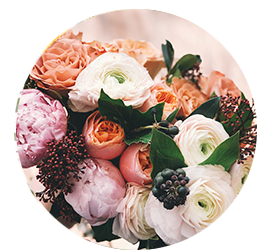
DIY wedding bouquets versus professional florists what to expect
Posted on 25/09/2026
Choosing between DIY wedding bouquets and a professional florist sounds simple at first. Then you start pricing stems, wondering how many roses a hand-tied bouquet actually needs, and asking yourself whether you really want to be assembling flowers at 7am on your wedding morning. That is the real question behind DIY wedding bouquets versus professional florists what to expect: not just which option looks prettiest, but which one fits your budget, time, stress levels, and the kind of day you want to have.
Some couples love the idea of making bouquets themselves. Others want the calm of handing everything over to someone who does this every week. Truth be told, both routes can work beautifully. The difference is in the details, and those details matter more than people often expect. In this guide, we will walk through the practical realities, the trade-offs, and the decision points that usually get missed until it is a bit late. Let's keep it honest and useful.
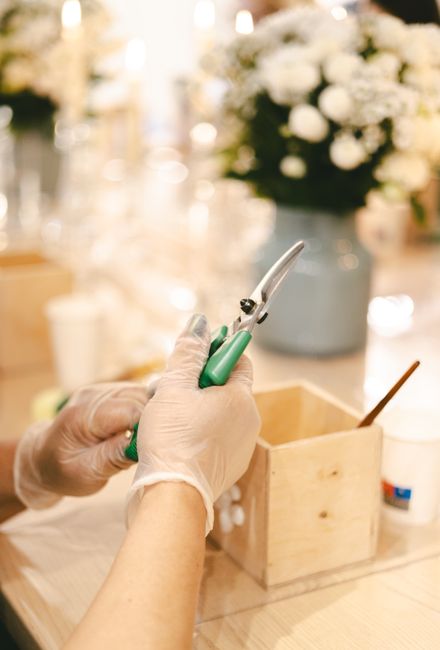
Table of Contents
- Why DIY wedding bouquets versus professional florists what to expect Matters
- How DIY wedding bouquets versus professional florists what to expect Works
- Key Benefits and Practical Advantages
- Who This Is For and When It Makes Sense
- Step-by-Step Guidance
- Expert Tips for Better Results
- Common Mistakes to Avoid
- Tools, Resources and Recommendations
- Law, Compliance, Standards, or Best Practice
- Options, Methods, or Comparison Table
- Case Study or Real-World Example
- Practical Checklist
- Conclusion
- Frequently Asked Questions
Why DIY wedding bouquets versus professional florists what to expect Matters
Flowers are one of those wedding details that people notice immediately, even if they cannot explain why. A bouquet frames the bride, sets the tone for the ceremony, and often appears in the photos you will keep forever. So the choice between DIY and a florist is not just about saving money. It affects your schedule, your stress, the overall look of the day, and how much energy you have left when the music starts.
DIY bouquets can seem like a bargain, but they come with hidden responsibilities. You need to source flowers, store them correctly, strip stems, prep materials, and build everything on time. A professional florist, by contrast, is not just selling flowers. They are selling judgment, efficiency, and the ability to solve problems quickly when a delivery is late, a bloom opens too early, or the bouquet needs to be redesigned because the weather has other ideas. And yes, weather always has opinions.
This decision matters even more if you are planning a wedding in the UK, where seasonal availability, transport, and venue timing can all affect fresh flowers. A bouquet that looks effortless in a shop window may need a fair bit of planning behind the scenes. If you are already arranging other elements, it can help to think about the whole floral picture, not just the hand-held bouquet. For example, many couples pair bridal flowers with matching bridal bouquets, bridesmaid bouquets, and buttonholes so everything feels cohesive rather than pieced together at the last minute.
Expert summary: DIY is usually about control and potential savings; a professional florist is usually about consistency, reduced stress, and polished results. The right choice depends less on "can you make a bouquet?" and more on "what do you want your wedding morning to feel like?"
How DIY wedding bouquets versus professional florists what to expect Works
The two approaches are very different in practice, even if the end goal is the same. Here is what usually happens with each option.
What DIY wedding bouquets involve
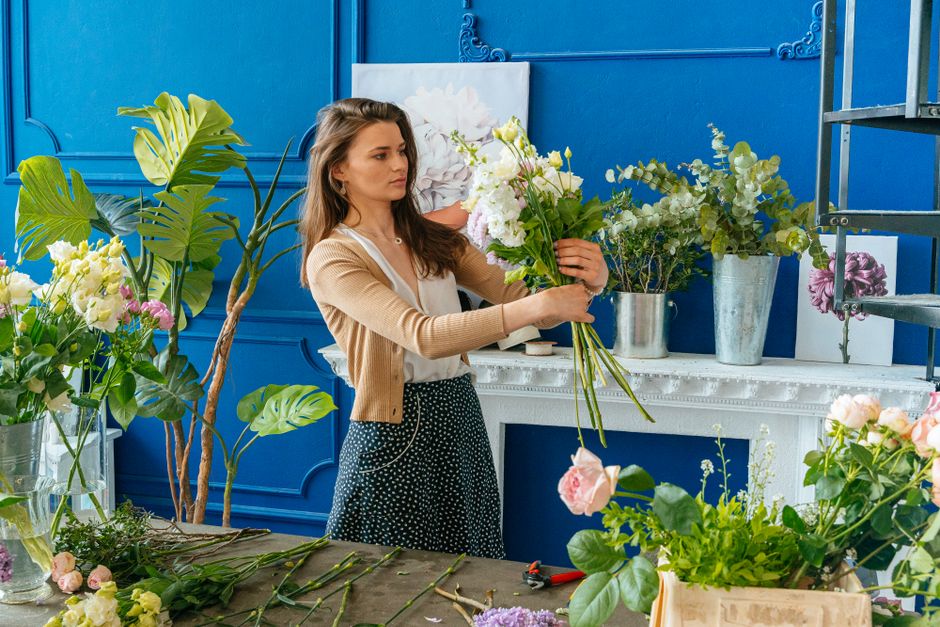
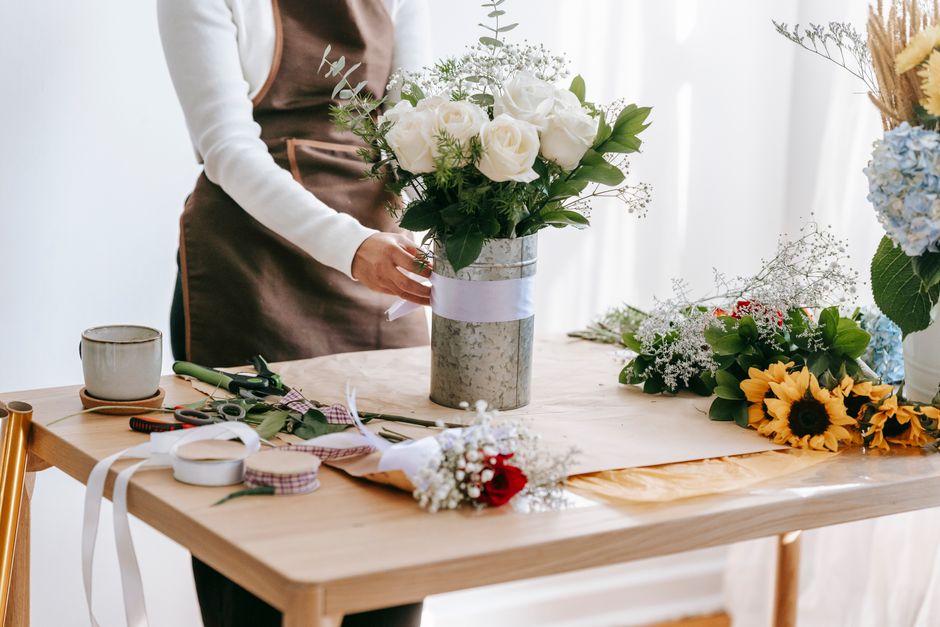
With a DIY bouquet, you are acting as your own floral designer, buyer, and production team. Usually that means choosing flowers at least a few weeks ahead, ordering or buying them in the right colours, hydrating them properly, and assembling the bouquet close to the wedding date. You may also need tape, ribbon, snips, pins, buckets, flower food, and a fridge-friendly storage plan. A couple of hours of making sounds fun until you realise there are six bouquets, two flower crowns, and a heatwave.
DIY works best when the design is simple. A hand-tied bouquet using sturdy blooms like roses, chrysanthemums, alstroemeria, or germini is far easier than a complex cascading shape with delicate stems and lots of wiring. If you want a fuller floral look without building everything from scratch, some couples choose mixed arrangements and just focus DIY effort on the bridal bouquet itself.
What a professional florist handles
A florist usually begins with a consultation or a style discussion, then suggests flower choices based on season, budget, colour palette, and venue style. They take care of sourcing, conditioning, arranging, transport, and often delivery. In many cases, they can also advise on supporting pieces such as table flowers, corsages, and ceremony arrangements so the whole wedding feels joined up.
One thing people sometimes underestimate is timing. Florists work to tight freshness windows, especially for bridal flowers. They know how far in advance certain blooms can be prepared, how to keep them cool, and how to avoid those small disasters that never show up in the Pinterest photo. The bouquet arrives ready to use. That sounds obvious, but on the morning of the wedding, "ready to use" is worth a great deal.
What you should expect on the day
With DIY, expect a bit of bustle. Someone will probably be making final touches while another person hunts for scissors or ribbon. You may need a backup plan if stems are shorter than expected or a few flowers wilt overnight. With a florist, expect calm coordination, but also communication: letting them know arrival times, venue access rules, and any last-minute changes. Good florists often feel almost invisible because they have already solved the issues before you notice them.
Key Benefits and Practical Advantages
Both options have genuine strengths. The trick is knowing which strengths matter most to you.
Benefits of DIY wedding bouquets
- Potential cost control: You can choose flowers and materials to match a tighter budget, especially if you keep the design simple.
- Creative freedom: You decide the shape, colour balance, and personal touches without needing to brief anyone else.
- Sentimental value: Some couples enjoy making bouquets with family or friends, which can become a lovely pre-wedding memory.
- Flexibility: You can adapt the style right up to the last minute if you have spare flowers and time.
That said, DIY savings are only real if you price everything honestly. Materials, transport, tools, storage, and any mistakes all count. A bouquet that looks inexpensive can become less so after a few emergency runs for extra ribbon and more blooms because the first bunch was not enough. Happens all the time.
Benefits of professional florists
- Consistency: Florists build bouquets regularly, so shape, proportion, and finish tend to be more reliable.
- Time savings: You are not spending the wedding eve trimming stems or worrying about hydration.
- Design expertise: A florist can suggest combinations that hold up well in real conditions, not just in theory.
- Coordination across the day: Bridal flowers, bridesmaid bouquets, table arrangements, and buttonholes can all work together.
- Problem-solving: If one flower type becomes unavailable, a florist can usually substitute without breaking the design.
For many couples, the biggest benefit is peace of mind. The bouquet is not another task. It is simply there, beautifully done, and you can move on to the next thing. Which, on a wedding morning, is no small thing.
Who This Is For and When It Makes Sense
DIY wedding bouquets are a good fit for people who enjoy hands-on projects, have a realistic design in mind, and are willing to practise before the wedding. They suit intimate weddings, relaxed celebrations, and couples who value the making as much as the result. If you have a close friend who is genuinely handy with flowers, that can help too, though it is wise not to assume enthusiasm equals expertise.
Professional florists make more sense if you want a polished finish, have limited time, or are planning multiple floral elements across a venue. They are especially helpful for larger weddings, venues with a lot of styling needs, or couples who need flowers delivered to several places in a tight window. If you are getting ready in a central London hotel, for example, and the ceremony is elsewhere, timing alone can tip the decision toward a florist.
This choice also depends on your tolerance for pressure. Some people find flower arranging calming. Others discover, halfway through tying ribbon, that they are not calm at all. To be fair, there is no award for doing everything yourself.
Think about these simple questions:
- Do you have enough time to practise before the wedding?
- Can you store flowers safely and coolly for 24 to 48 hours?
- Are you comfortable with a less predictable finish?
- Do you want floral design to be part of the experience, or just done for you?
- How important is a perfectly matched wedding look?
Step-by-Step Guidance
If you are choosing DIY
- Decide the bouquet style. Start with a shape you can actually make well. A simple hand-tied bouquet is usually the safest first choice.
- Choose sturdy flowers. Roses, carnations, chrysanthemums, alstroemeria, and some seasonal mixed flowers tend to be easier for beginners than delicate stems.
- Work out quantities early. Buy a little extra rather than exactly what you think you need. Flowers are not always tidy little numbers.
- Buy tools and consumables. You will likely need secateurs or floral snips, ribbon, tape, pins, buckets, and flower food.
- Practise once. A test run is worth it. It tells you how long the bouquet takes and where your weak spots are.
- Condition the flowers properly. Trim stems, remove lower leaves, and keep them in clean water in a cool place.
- Build the bouquet as late as practical. This helps flowers stay fresh and hold shape for the ceremony.
If you are using a florist
- Share your vision clearly. Bring colour references, dress details, venue photos, and examples of what you like.
- Be open about budget. A good florist can shape recommendations around what you actually want to spend.
- Ask what is seasonal. If you love peonies in February, prepare for an honest conversation.
- Confirm logistics. Make sure the florist knows the ceremony time, venue access, and any delivery restrictions.
- Check the final flower list. Review the bouquet style, matching pieces, and any substitutions in advance.
- Plan storage on the day. Even florist-made flowers need to be kept safely out of heat and direct sun before use.
A practical middle ground
Many couples do not choose one extreme or the other. They buy a professionally made bridal bouquet but DIY the simpler bridesmaid flowers or centrepieces. Others use florist assistance for the main designs and keep smaller decorative touches in-house. That hybrid route can be very sensible, especially if you want to save money without carrying the whole floral workload yourself.
Expert Tips for Better Results
If you want your bouquet to look good in real life, not just in a carefully angled photo, these are the details that make a difference.
- Keep the colour palette tight. Too many shades can make DIY bouquets look muddled. Two or three main tones usually work better.
- Use flowers with different textures. A mix of focal blooms, smaller filler flowers, and greenery gives shape and depth.
- Think about scale. A bouquet that is too small can disappear against a wedding dress; one that is too large can look heavy and awkward.
- Plan for the weather. Summer weddings need extra care with hydration and storage. In warm rooms, flowers can soften faster than expected.
- Match your bouquet to the dress and venue. A sleek city wedding often suits cleaner lines, while a garden venue can carry a looser, more natural style.
- Photograph a practice bouquet. This helps you see what the flowers look like in daylight, not just in the kitchen under yellow bulbs at midnight.
- Keep ribbon simple. Overly elaborate wrapping can make a bouquet look fussy and can be fiddly to finish well.
A florist will usually already know these things instinctively. If you are doing it yourself, just take them one by one. No drama. No need to become a professional overnight.
Common Mistakes to Avoid
This is where most problems start. Not with the flowers themselves, but with assumptions.
- Buying too late: Flowers need time to condition, and some varieties are harder to get at short notice.
- Choosing delicate blooms without practice: Stunning flowers can be a nightmare in inexperienced hands.
- Ignoring temperature: A bouquet can deteriorate quickly if left in a warm room or car for too long.
- Forgetting backup supplies: Extra ribbon, pins, scissors, and water buckets sound boring until you need them.
- Overcomplicating the design: The more wired stems and layers you add, the more can go wrong.
- Not allowing enough time: DIY always takes longer than the optimistic version in your head.
- Skipping the rehearsal bouquet: The first bouquet should not be made on the wedding morning if you can avoid it.
For florist customers, the biggest mistake is often assuming communication is done once the deposit is paid. It is worth checking timings, substitutions, and venue access again closer to the day. Small details, big impact. That is the game with wedding flowers.
Tools, Resources and Recommendations
If you are making bouquets yourself, a few tools make the job much easier:
- sharp floral snips or secateurs
- clean buckets for conditioning stems
- floral tape and ribbon
- pins or bouquet wraps
- flower food
- a clean towel for trimming and drying
- a cool storage space, ideally away from direct sun
For flowers themselves, it helps to choose blooms that suit the season and hold up well outside ideal studio conditions. If you want a broader starting point, browsing categories such as wedding flowers, wedding flowers in Temple EC4, and the curated florist choice range can give you a sense of what styles are practical as well as attractive.
If you are leaning toward a florist but still want to compare styles, it can help to look at established bouquet shapes first. For example, a structured bridal bouquet, a softer bridesmaid design, or a matching wedding collection can each point you toward different levels of complexity. That sort of browsing is useful because it turns a vague idea into something concrete.
And if you are working to a tight budget, keep an eye on the total floral picture, not just the bouquet. Sometimes it is smarter to invest in one standout bridal bouquet and keep other pieces minimal. A little restraint can look more expensive than excess, oddly enough.
Law, Compliance, Standards, or Best Practice
For wedding flowers, there is usually no special legal barrier to making your own bouquets at home, but there are still sensible standards to follow. In the UK, basic food hygiene rules are not the issue here; the bigger concerns are product freshness, safe handling of stems and tools, and making sure any venue requirements are respected. If you are using sharp floristry tools, keep them safely stored and use them carefully, especially if children or guests are around while you work.
If you are ordering from a florist, best practice is to confirm what happens if a flower becomes unavailable, whether substitutions may be used, and how delivery is handled. Delivery windows, access instructions, and acceptance of goods matter because flowers are time-sensitive products. It is also sensible to review cancellation terms and payment conditions before confirming an order, particularly for wedding dates where planning changes can happen.
From an ethical standpoint, sustainability is worth considering too. Choosing seasonal flowers, reducing waste, and using recyclable or reusable materials can make the process cleaner and more thoughtful. If that matters to you, a florist can often suggest lower-waste approaches, and DIY can do the same if you are disciplined about sourcing and reuse. If you want to explore this angle further, the site's sustainability page gives a helpful sense of the values behind more responsible flower choices.
Best practice, in simple terms, is this: know what you are ordering, know how it will be handled, and do not leave freshness or timing to chance. Flowers are beautiful, but they are also perishable. They do not wait politely.
Options, Methods, or Comparison Table
Here is a straightforward comparison to help you weigh the two approaches.
| Factor | DIY wedding bouquets | Professional florist |
|---|---|---|
| Budget | Can be lower if simple and well planned | Usually higher, but includes expertise and labour |
| Time required | High. You do the buying, prep, and assembly | Low for you. The florist handles the work |
| Design control | Full control, but full responsibility too | Guided control with professional input |
| Stress level | Can be high close to the wedding | Usually lower, especially on the day |
| Consistency | Depends on your skill and practice | Usually more consistent and polished |
| Risk of mistakes | Higher, especially with timing and freshness | Lower, though changes and substitutions can still happen |
| Best for | Hands-on couples, intimate weddings, simple designs | Busy couples, larger weddings, complex styling |
If you are deciding between methods, ask yourself one blunt question: do you want a project, or do you want a service? That usually clears the fog pretty quickly.
Case Study or Real-World Example
Imagine a couple planning a late spring wedding in London. They want a relaxed feel, white and blush flowers, and a handful of matching pieces for bridesmaids and buttonholes. At first, they think DIY will save money. They spend an afternoon estimating flowers, then realise they need buckets, tape, ribbon, and transport for delicate stems. They also have to decide who will be doing the arrangements when everyone should really be getting ready.
They do a test bouquet and it turns out well enough, but a bit uneven. Not bad, just not quite the crisp finish they imagined. So they compromise. They order the bridal bouquet and key supporting flowers from a florist, then DIY a few simpler extras for the reception. In practice, this gives them the best of both worlds: a reliable focal bouquet for photos and a personal touch where it matters less if shapes vary slightly.
That kind of mixed approach is more common than people admit. The important thing is not whether the flowers were DIY or professional in a purity-test sense. It is whether the final result matched the day you wanted. Small win, really, and a sensible one.
Practical Checklist
Use this before you commit to either option.
- Have you decided how much time you can realistically spend on flowers?
- Do you know the exact bouquets and matching items you need?
- Have you checked whether your chosen flowers are in season?
- Do you have storage space that stays cool and out of direct sunlight?
- Have you budgeted for tools, ribbons, and spare stems if doing DIY?
- Have you asked a florist about substitutions, delivery, and timing if outsourcing?
- Do you know who will transport the flowers to the venue?
- Have you considered how the bouquet will look with the dress, venue, and photos?
- Do you have a backup plan if blooms arrive damaged or open too early?
- Have you kept the design realistic for your skill level and schedule?
If you can tick most of those boxes, you are in good shape. If not, no panic. It just means you may be trying to do a bit too much at once.
Quick takeaway: DIY wedding bouquets work best when the design is simple and the schedule is generous. Professional florists are the safer choice when polish, timing, and peace of mind matter most. The smartest decision is the one that fits your actual wedding day, not the fantasy version where everything runs perfectly.
Conclusion
So, what should you expect from DIY wedding bouquets versus professional florists? With DIY, expect more hands-on effort, more decision-making, and more room for personal creativity. With a florist, expect less stress, more consistency, and a smoother experience overall. Neither choice is automatically better. They just solve different problems.
If you love making things and have time to practise, DIY can feel meaningful and rewarding. If you want your flowers to arrive polished and ready, a professional florist is often worth every bit of the convenience. Most couples end up somewhere in the middle, which is perfectly sensible. Weddings are not a test of perfection, after all. They are a day to be present for.
Get a free quote today and see how much you can save.
Whatever you choose, keep it simple enough to enjoy. The bouquet should support the day, not steal it. And when you look back at the photos, that calm little decision will matter more than you think.
Frequently Asked Questions
Are DIY wedding bouquets actually cheaper than a florist?
They can be, but only if you keep the design simple and account for everything: flowers, tools, ribbon, containers, transport, and spare materials. If you are buying premium blooms or making several bouquets, the savings may shrink quickly.
How far in advance should I make DIY wedding bouquets?
Most DIY bouquets are best made as close to the wedding as practical, often the day before or the morning of, depending on the flowers and your storage conditions. Practising earlier is a good idea, even if the final bouquet is made later.
What flowers are easiest for DIY bouquets?
Sturdier flowers tend to be easier for beginners, such as roses, carnations, chrysanthemums, alstroemeria, and germini. These usually hold structure better than very delicate stems and are easier to arrange neatly.
How do professional florists make bouquets look so neat?
It is mostly experience, timing, and flower conditioning. Florists know how to balance shape, stem length, texture, and water management so the bouquet stays controlled and fresh-looking rather than droopy or uneven.
What is the biggest risk with DIY wedding flowers?
The biggest risk is usually timing. Flowers can wilt, open too early, or arrive in poor condition. The second biggest risk is underestimating how long the arranging actually takes. It is rarely a five-minute job.
Can I mix DIY flowers with florist-made flowers?
Yes, and it is often a sensible compromise. Many couples have a florist handle the bridal bouquet and key items while DIYing simpler pieces like table flowers or small decorations.
How do I keep wedding bouquets fresh on the day?
Keep them cool, shaded, and in water for as long as possible before use. Avoid placing them in direct sun, warm cars, or near heaters. If DIYing, plan your handling time carefully and transport them gently.
Do professional florists help with matching bridesmaid bouquets and buttonholes?
Usually, yes. Most wedding florists can create a coordinated set of flowers so the bridal bouquet, bridesmaid flowers, and buttonholes all work together visually.
What should I ask a florist before booking?
Ask about seasonal flower options, substitutions, delivery timing, cancellation terms, and how the bouquet will be styled. If you have a budget, share it early. Honest budgets are much more useful than wishful ones.
Is DIY realistic for a large wedding?
It can be, but only if you have a lot of help and very simple designs. Large weddings add volume, timing pressure, and more room for error, so many couples prefer a florist for the main floral elements.
How do I know if I need a florist instead of DIY?
If you are short on time, want a polished finish, or feel anxious about the flowers being ready on the day, a florist is usually the better fit. If you enjoy hands-on projects and can practise, DIY may suit you well.
What is the best way to decide between the two?
Compare your budget, time, skill level, and stress tolerance honestly. If one option gives you a calmer wedding morning and a result you will love, that is usually the right answer, even if it is not the cheapest on paper.