Step by step guide to preserving cut flowers at home
Posted on 11/10/2026
Step by Step Guide to Preserving Cut Flowers at Home
Fresh flowers do something quietly powerful. They soften a room, lift a mood, and make even a weekday kitchen feel a bit more thoughtful. But if you've ever brought home a lovely bunch only to watch the petals droop by day three, you'll know the disappointment. This step by step guide to preserving cut flowers at home shows you how to keep blooms looking fresher for longer, using practical, realistic methods that actually fit into normal life.
Whether you've bought a hand-tied bouquet, received flowers in a vase, or want to dry a sentimental bunch from a wedding or birthday, the basics are the same: clean water, careful trimming, the right location, and a little consistency. Nothing dramatic. Just good flower care, done well.
Truth be told, most flowers don't fail because they are "delicate" in some mysterious way. They usually fail because the water gets dirty, the stems are cut poorly, or the room is too warm. Once you know what matters, the whole thing becomes much easier. And a bit more satisfying too.
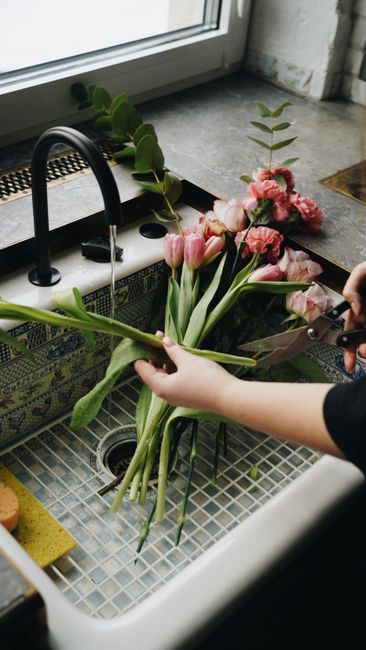
Table of Contents
- Why preserving cut flowers at home matters
- How the preservation process works
- Key benefits and practical advantages
- Who this is for and when it makes sense
- Step-by-step guidance
- Expert tips for better results
- Common mistakes to avoid
- Tools, resources and recommendations
- Law, compliance, standards, or best practice
- Options, methods, and comparison table
- Case study or real-world example
- Practical checklist
- Conclusion
- Frequently asked questions
Why Step by Step Guide to Preserving Cut Flowers at Home Matters
Preserving cut flowers at home matters because flowers are temporary by nature, but that doesn't mean they have to vanish too quickly. A little care can extend their display life, protect the shape of the bouquet, and help you get more value from every arrangement you bring in.
For many people, the goal is simple: enjoy the flowers longer. For others, it's about keeping a meaningful arrangement after a special occasion. A birthday bouquet from birthday flowers Temple EC4, a sympathy arrangement, or stems from a wedding table can carry real sentimental weight. Keeping them in good condition can feel like holding onto the moment just a bit longer.
There's also a practical side. Fresh-cut flowers can be surprisingly good at making a space feel cared for. A tidy vase on the table, with water changed and stems trimmed, makes a home feel calmer. It's one of those small routines that pays off in a noticeable way.
How Step by Step Guide to Preserving Cut Flowers at Home Works
Cut flowers keep better when you slow down the natural processes that shorten their life. Once a stem is cut, the flower no longer has a root system feeding it. It must take up water through the stem, while bacteria, warm air, and bruising all work against it. A preserving routine simply removes as many of those stress points as possible.
In plain English, that means you want to:
- give the stems a fresh, clean cut
- use a clean vase and fresh water
- remove leaves below the waterline
- keep the arrangement away from heat, direct sun, and fruit
- refresh the water regularly
Once you've got those basics down, you can choose the best preservation method for your purpose. Some people want flowers to stay fresh for as long as possible in water. Others want to dry them for keepsakes. A few want both. Why not, honestly?
If you're looking for a well-made bouquet that already starts from a strong point, the quality of the stem conditioning matters from the outset. You can see that reflected in trusted florist services such as flower care guidance and curated fresh collections like florist choice.
Key Benefits and Practical Advantages
Keeping cut flowers looking better for longer gives you a few real advantages. Some are obvious, others only become clear once you've done it a few times.
- Longer enjoyment: You get more days from the arrangement, which is especially useful after a celebration or delivery.
- Better presentation: Flowers stay upright, hydrated, and more attractive on the table or windowsill.
- Less waste: If flowers last longer, you throw away fewer stems. Simple as that.
- More control: You can preserve blooms for drying, framing, pressing, or memory keeping.
- Better value: A carefully cared-for bouquet delivers more return on the money you spent.
There's also a small but real confidence boost that comes from knowing what to do. You stop feeling as though flowers are a bit random. They are not, really. They just want predictable care.
That matters whether you've ordered from a local florist, chosen same day flower delivery Temple EC4, or picked up a seasonal bunch for your own table. Fresh flowers reward the person who notices the little things.
Who This Is For and When It Makes Sense
This guide is for anyone who wants cut flowers to look good for longer, but it's especially helpful for a few types of reader.
- Gift recipients: If someone has sent you flowers and you want them to last, start here.
- Home decorators: If you regularly keep fresh arrangements in the house, a preservation routine saves money and effort.
- Event hosts: Wedding, anniversary, and party flowers can often be reused, dried, or repurposed after the event.
- Memory keepers: Sentimental stems from a funeral, engagement, or milestone moment may be worth drying and storing.
- Gift planners: If you're sending flowers, it helps to know how the recipient can care for them once they arrive.
It makes most sense when the flowers matter to you, which is usually the case. A grocery-store bunch may only need simple vase care. A bridal bouquet, on the other hand, might deserve much more deliberate preservation. Different flowers, different intentions. Very normal.
If you're choosing flowers with longevity in mind, some varieties are naturally better suited to home care. Sturdy stems and hardy blooms, such as carnations, chrysanthemums, and alstroemeria, often hold up well with the right treatment.
Step-by-Step Guidance
Below is the practical part. Take it one step at a time, and don't rush the first 10 minutes after the flowers arrive. That's where a lot of the difference is made.
Step 1: Prepare a clean vase
Wash the vase thoroughly with hot water and a little washing-up liquid, then rinse well. If there's any residue from a previous bouquet, clear it out. Bacteria love a neglected vase. Flowers, not so much.
Choose a vase that gives the stems support without crushing them. A taller neck works for loose stems, while a wider vase suits fuller arrangements. If you've got a bouquet in a ready-made container, make sure it is clean and fresh before topping up the water.
Step 2: Trim the stems properly
Use sharp scissors or floristry snips and cut each stem at an angle. A 45-degree cut helps expose more surface area for water uptake. Cut about 2 to 3 cm off the bottom if the flowers are fresh; if they've been out of water for a while, trim a little more.
If possible, cut the stems under running water or with the stem base submerged in a bowl. That helps reduce air getting pulled into the stem, which can block hydration. It sounds fussy, I know. But it works.
Step 3: Remove lower leaves and damaged petals
Strip off any leaves that would sit below the waterline. Those leaves rot quickly and cloud the water. Also remove any petals that are bruised, torn, or already browning. One tired petal can make the whole arrangement look older than it is.
Don't over-strip the stems, though. Leaves that sit above the vase line can still help the bouquet look balanced and natural.
Step 4: Add fresh water at the right level
Fill the vase with clean, cool water. Most cut flowers prefer fresh water that isn't too warm. For many mixed bouquets, around two-thirds full is a sensible starting point, though the ideal level can vary by flower type and vase shape.
Change the water every day or two if you want the best result. If that feels like too much, at least top it up and give the vase a rinse. Stale water shortens flower life quickly. You will notice the difference.
Step 5: Use flower food if you have it
Flower food is designed to feed the blooms a little, lower bacterial growth, and help the water move through the stems. Follow the packet instructions rather than guessing. More is not better here. Too much can do the opposite.
If you don't have flower food, clean water and good hygiene still matter most. The packet is helpful, not magical. Sorry to disappoint.
Step 6: Place the arrangement in the right spot
Keep flowers out of direct sunlight, away from radiators, ovens, and draughts. A cool room is usually better than a warm one. Also keep them away from fruit bowls, because ripening fruit releases ethylene gas, which can speed up ageing in flowers.
A shelf near a bright window may look lovely in the morning, but if it gets afternoon sun, the blooms will fade faster. A cooler corner of the room is often the wiser choice.
Step 7: Re-cut and re-arrange as needed
Every couple of days, check the stems. If they look slimy at the base or start to curl, trim them again. Re-cutting freshens the uptake path and can give tired stems another chance.
At the same time, remove any fading blooms. This keeps the bouquet looking tidy and reduces the spread of decay to the rest of the arrangement.
Step 8: Choose a preservation method if you want to keep them longer-term
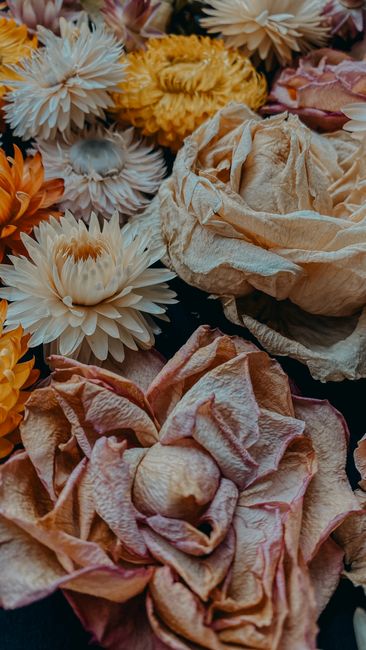
If the goal is not just to enjoy the flowers for a week but to preserve them beyond that, you have several options. Air drying is the simplest. Hanging small bunches upside down in a dry, dark place can preserve shape and colour reasonably well. Pressing is ideal for flat keepsakes like cards or framed pieces. Silica gel works well for fuller blooms but needs a bit more care.
For mixed bouquets or special arrangements, a florist can sometimes advise on which flowers dry best. Roses, chrysanthemums, statice, and alstroemeria are often dependable. Very fleshy stems or highly delicate petals may not hold their shape as neatly.
Step 9: Store preserved flowers correctly
Once dried or pressed, store flowers somewhere dry, out of direct light, and away from humidity. A bedroom shelf is usually better than a bathroom, for fairly obvious reasons. Moisture is the enemy once preservation is done.
If you're keeping them in a frame or box, handle the stems gently and avoid squeezing them. Preserved flowers are more fragile than fresh ones. Treat them like little paper memories.
Expert Tips for Better Results
There are a few small habits that make a surprisingly big difference. None of them are flashy, but that's sort of the point.
- Start clean: Vase cleanliness matters more than most people think.
- Keep stems moving: Re-cutting every couple of days helps water uptake.
- Don't overcrowd the vase: Flowers need space for air to circulate.
- Cool is better: A cooler room can extend vase life by several days in practice.
- Watch for early decay: Remove anything soft, brown, or slimy quickly.
One small trick that often helps is to treat the bouquet like a living display, not a decoration you can forget about. A quick glance in the morning while the kettle boils is often enough. Water check, petal check, done.
If you're keeping a gift bouquet from a particular occasion, you can also separate out the strongest stems for drying, and leave the rest to enjoy fresh for as long as they last. That mixed approach is often the best one, to be fair.
Common Mistakes to Avoid
Most flower problems come from a handful of avoidable mistakes. Here are the ones worth watching for.
- Using a dirty vase: This is one of the quickest ways to shorten vase life.
- Cutting stems bluntly: A flat, rough cut can hinder water uptake.
- Leaving leaves in the water: They decompose fast and foul the vase.
- Putting flowers near heat: Radiators, sunny sills, and ovens age blooms prematurely.
- Forgetting to change water: Stale water is not a harmless detail.
- Using too much flower food: Follow the packet directions carefully.
- Ignoring one bad stem: A decaying bloom can affect the rest of the arrangement.
Another common mistake is assuming every flower behaves the same. Roses, lilies, tulips, and hydrangeas each have their own quirks. For example, some stems drink heavily, while others collapse if the water gets too warm. Different flowers, different habits. Annoying? A bit. Manageable? Absolutely.
If you're buying mixed arrangements, a florist can often guide you on the most reliable flowers for your setting. Choosing from seasonal ranges like Fresh Blossom or Sunny Garden can also help if you want something that holds up well at home.
Tools, Resources and Recommendations
You don't need a huge kit to preserve flowers well. A few simple tools cover most jobs.
| Item | Why it helps | Best use |
|---|---|---|
| Sharp scissors or floristry snips | Makes clean stem cuts without crushing | Every fresh bouquet |
| Clean vase | Reduces bacteria and keeps water clearer | Fresh-cut flowers and mixed arrangements |
| Flower food | Supports hydration and slows bacterial growth | Most bouquets |
| Paper towels | Useful for drying stems and cleaning spills | Routine maintenance |
| Rubber bands or twine | Helps bundle stems for air drying | Long-term preservation |
| Silica gel or pressing paper | Supports longer-term drying methods | Keepsakes and craft projects |
Useful product choices often depend on what flowers you have. If you are looking for a strong starting point, fresh seasonal selections such as best sellers, luxury flowers, or flowers in a vase can offer different levels of support depending on the occasion and care plan.
A good florist recommendation matters too. A bouquet designed for gifting, such as one from Florist Temple EC4, may already be conditioned in a way that gives you a better head start at home. That does make life easier, and we're all for easier where flowers are concerned.
Law, Compliance, Standards, or Best Practice
For most home flower care, there is no special legal requirement you need to worry about. But if you are buying, receiving, or sending flowers in the UK, it is sensible to follow accepted best practice around product condition, delivery handling, and clear customer information. If you are preserving flowers for resale, event use, or business display, keeping good records, using hygienic handling methods, and following supplier guidance becomes more important.
Where a florist or retailer provides care instructions, those should be followed carefully. That is not just good manners, it often affects whether the flowers stay fresh as promised. Delivery standards also matter: flowers should be protected from heat, rough handling, and unnecessary delay. You can review practical information on delivery, guarantees, and returns and refund policies when you are buying online.
If flowers are being used in a workplace, hotel, restaurant, or other public setting, basic hygiene and safe positioning are part of normal good practice. Keep vases stable, avoid blocking walkways, and be cautious with highly scented blooms in enclosed spaces. That is less about regulation and more about common sense. Still counts.
Options, Methods, or Comparison Table
There is no single "best" preservation method. It depends on whether you want short-term freshness, a dried keepsake, or a decorative display that lasts beyond the vase life.
| Method | Best for | Strengths | Limitations |
|---|---|---|---|
| Vase care | Keeping flowers fresh for days | Simple, effective, good for everyday enjoyment | Needs regular water changes and monitoring |
| Air drying | Sentimental bunches, rustic decor | Low cost, easy to do at home | Colour and shape may fade or change |
| Pressing | Cards, framing, scrapbooking | Flat, tidy, ideal for keepsakes | Not suitable for bulky blooms |
| Silica gel drying | Fuller flowers and detailed petals | Better shape retention than air drying | Needs materials and careful handling |
| Professional preservation | High-value or very sentimental bouquets | Best finish, less guesswork | Usually more expensive |
If your main goal is simply a lovely display on the dining table, vase care is enough. If the flowers are from a wedding, engagement, or memorial moment, you may want a preservation method that is a bit more deliberate. No need to overcomplicate it, but a little thought helps.
Case Study or Real-World Example
A common real-life scenario is a customer bringing home a mixed bouquet on a Friday evening and wanting it to last through the weekend and beyond. The flowers arrive looking full and bright, but by Sunday afternoon the water has started to cloud and a few lower leaves are sitting in the vase. That's usually where trouble begins.
With a proper routine, the change is noticeable. The stems are re-cut, the vase is washed, the water is replaced, and the bouquet is moved away from a warm kitchen shelf. By Monday, the flowers still look presentable rather than tired. By midweek, the stronger stems continue to hold shape while the fading blooms are removed one by one.
We've seen this sort of thing again and again: a bouquet that looked as though it might give up early can last several days longer simply because someone took ten minutes to do the right things. Not glamorous. Very effective.
A similar approach works for wedding flowers too. A bride might keep the bouquet fresh for the day itself, then dry a few chosen stems afterward. The rest may be arranged into a smaller vase for a few more days at home. It's a good compromise between display and memory keeping.
If you are planning an event and want flowers that can do more than one job, collections such as weddings, wedding flowers Temple EC4, and wedding table arrangements can be chosen with post-event preservation in mind.
Practical Checklist
Use this quick checklist whenever you bring flowers home. It keeps things simple.
- Wash the vase before use
- Trim stems at an angle
- Remove leaves below the waterline
- Fill with clean, cool water
- Add flower food if available
- Keep flowers away from heat and direct sun
- Do not place them near fruit
- Change or top up water regularly
- Remove fading blooms quickly
- Re-cut stems every couple of days if needed
- Choose drying or pressing if you want a keepsake
- Store preserved flowers in a dry, dark place
That's the whole rhythm of it, really. Clean, trim, water, place, and check. Once it becomes a habit, it stops feeling like work.
Conclusion
Preserving cut flowers at home is less about complicated tricks and more about thoughtful routine. If you keep the vase clean, trim the stems well, use fresh water, and place the arrangement in the right spot, your flowers will usually reward you with extra days of beauty. And if you want something longer-lasting, drying or pressing can turn a bouquet into a keepsake that stays with you well beyond the original occasion.
The nice thing is that this is one of those home care skills you improve very quickly. The first time, you're just trying not to ruin the bouquet. The next time, you're noticing which stems drink fastest and which room keeps them happiest. Before long, you've got it sorted.
Get a free quote today and see how much you can save.
If you want flowers that start from a strong foundation, explore options from a trusted local florist and choose arrangements with care in mind. A little attention at the start goes a long way, and honestly, that's part of the pleasure of keeping flowers at home.
Frequently Asked Questions
How long do cut flowers last at home?
That depends on the flower type, the freshness at purchase, and how well you care for them. With good vase care, many bouquets can last several days to around a week or more. Hardy flowers often last longer than delicate ones.
Should I cut flower stems under water?
Cutting under water can help reduce air entering the stems, which may improve water uptake. It is not the only way to care for flowers, but it is a useful technique if you want to be extra careful.
Do I really need flower food?
Flower food helps, but it is not essential if you keep the vase clean and change the water regularly. Think of it as a helpful boost rather than a cure-all.
How often should I change the water in a vase?
Every day or two is best if you want to keep flowers fresh for as long as possible. At a minimum, top it up and rinse the vase regularly so bacteria do not build up.
Which flowers preserve best at home?
Roses, carnations, chrysanthemums, alstroemeria, and some seasonal stems tend to do well. In general, firmer blooms and sturdier petals are easier to keep fresh or dry than very delicate flowers.
What is the easiest way to preserve flowers long term?
Air drying is usually the simplest method for home use. Hang the bouquet upside down in a dry, dark place and leave it until the stems are fully dry. It is not perfect, but it is easy and inexpensive.
Can I preserve flowers from a wedding bouquet?
Yes, and many people do. Wedding bouquets are often ideal for drying, pressing, or professional preservation because they carry strong sentimental value. It is worth deciding early which stems you want to keep.
Why do my flowers go droopy so quickly?
The usual reasons are dirty water, poor stem cuts, heat, direct sun, or leaves sitting in the vase water. Sometimes it is simply the natural life span of the flower, but often it is one of those avoidable issues.
Can I put cut flowers in the fridge overnight?
Some people do, especially for special events, but it is not always practical at home. If you do try it, make sure the flowers are away from fruit and that the temperature is cool but not freezing. For most households, a cool room is easier.
Is it better to dry flowers or keep them in water?
It depends on your goal. Keep them in water if you want a fresh display. Dry them if you want a keepsake. There is no single right answer, only the one that fits the moment.
What flowers are best for preserving in a vase first, then drying?
Flowers with strong heads and firm stems tend to work well. Roses and carnations are classic choices, but mixed bouquets can also be dried if you choose the better-looking stems before they start to fade.
Can I use tap water for cut flowers in the UK?
Yes, tap water is normally fine for home flower care in the UK. The key is to keep it fresh and clean. If your tap water is very warm, let it cool first rather than using it straight from the tap.